


The difference between leasehold and freehold property
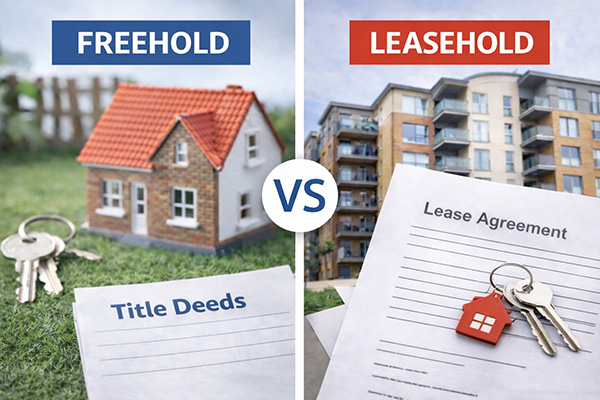 When buying a property in the UK, one of the first legal terms you will encounter is whether the property is freehold or leasehold. While the distinction may appear straightforward at first glance, the legal and financial implications can be significant.
For many buyers, particularly first-time buyers, the difference between leasehold and freehold ownership is not always immediately clear. Yet understanding this distinction is crucial before committing to a purchase.
As experienced conveyancing solicitors based in Ebbw Vale, South Wales, we regularly advise clients across the region on property transactions involving both leasehold and freehold titles.
In this guide, we explain what each type of ownership means, how they differ, and why the distinction can matter when buying or selling a property.
What freehold ownership means
Freehold ownership is generally considered the most straightforward form of property ownership in Wales and England.
If you buy a freehold property, you own both the building itself and the land it stands on indefinitely. There is no time limit on your ownership, and you are not required to pay ground rent or service charges to a landlord.
In practical terms, this means the homeowner has full control over the property, subject only to planning laws, restrictive covenants and other legal obligations that may apply to the title.
Freehold properties are most commonly associated with houses, particularly traditional family homes. However, some flats can also be sold with a share of freehold ownership through specific arrangements between residents.
From a conveyancing perspective, freehold transactions are often more straightforward because there are fewer third parties involved. There is usually no landlord or managing agent to deal with, which can reduce administrative complexity.
What leasehold ownership means
Leasehold ownership works differently.
When you purchase a leasehold property, you do not own the land outright. Instead, you own the right to occupy and use the property for a fixed period of time under the terms of a lease.
The lease is a legal agreement between the leaseholder (the buyer) and the freeholder (the landlord who owns the land).
Lease lengths vary widely, but many residential leases are originally granted for periods such as:
- 99 years
- 125 years
- 250 years
- 999 years
As the leaseholder, you effectively own the property for the duration of the lease. However, once the lease expires, ownership reverts back to the freeholder unless the lease is extended.
Leasehold ownership is particularly common for flats and apartments, where multiple homes are contained within a single building that requires shared management and maintenance.
Read: Issues you may encounter when purchasing a property
Why the length of the lease matters
One of the most important factors when buying a leasehold property is the remaining length of the lease.
A lease with many decades remaining is generally not a concern. However, problems can begin to arise when the remaining term falls below certain thresholds.
For example, properties with fewer than 80 years remaining on the lease can become more difficult to sell or mortgage. The cost of extending the lease may also increase significantly once this point is reached.
For this reason, your conveyancing solicitor will carefully review the lease during the conveyancing legal process and advise you if the remaining term could present issues in the future.
Ground rent and service charges
Unlike freehold owners, leaseholders often have ongoing financial obligations connected to the property.
These may include ground rent, which is a payment made to the freeholder under the terms of the lease. Historically this was often a small annual sum, but in recent years some leases have included escalating ground rent clauses which have caused concern for buyers and lenders.
Leaseholders may also be responsible for service charges. These are contributions towards the maintenance and management of shared areas of a building or estate. In the case of flats, this might include communal hallways, lifts, gardens, structural repairs, and building insurance.
It is therefore essential that buyers fully understand these costs before completing a purchase.
Restrictions that may apply to leasehold properties
Another key difference between leasehold and freehold ownership involves the restrictions that may apply to the property.
Leasehold properties are governed by the terms set out in the lease itself. These provisions can regulate how the property is used and maintained.
For example, a lease may require the leaseholder to obtain the freeholder’s consent before carrying out certain alterations or structural works. There may also be rules relating to subletting, keeping pets, or operating a business from the property.
Most leases are perfectly reasonable, but it is vital that the terms are reviewed carefully during the conveyancing process so that buyers understand their obligations.
Rights available to leaseholders
While leasehold ownership comes with certain limitations, UK law also provides leaseholders with a number of important rights.
In many circumstances, leaseholders may be entitled to extend their lease or even participate in the collective purchase of the freehold for the building. This process is commonly known as enfranchisement.
There are also statutory protections regarding service charges and management standards to ensure leaseholders are treated fairly.
Property law in this area has evolved significantly over the past decade, and further reforms to the leasehold system continue to be discussed by the government.
Why the difference matters when buying a property
Understanding whether a property is leasehold or freehold is not simply a technical legal issue. It can influence several practical aspects of ownership.
It may affect the long-term value of the property, the costs associated with owning it, and the level of control you have over the building. Mortgage lenders may also assess leasehold properties differently depending on the lease terms.
For these reasons, buyers should always ensure the tenure of a property is properly understood before making a commitment.
The role of your conveyancing solicitor
A key part of the conveyancing process is ensuring that buyers fully understand the legal nature of the property they are purchasing.
Your solicitor will investigate the title, review the lease where applicable, examine any service charge arrangements, and highlight any provisions that may affect the property’s future use or value.
As conveyancing solicitors based in Ebbw Vale, we regularly assist clients buying and selling both leasehold and freehold properties throughout South Wales. Our role is to ensure that every client proceeds with a clear understanding of their legal position before contracts are exchanged.
Choose trusted conveyancing and property solicitors
Whether a property is leasehold or freehold may seem like a small detail when browsing estate agent listings, but it can have a significant impact on ownership rights and long-term costs.
Taking the time to understand the difference can help buyers make informed decisions and avoid unexpected issues later down the line.
If you are planning to buy or sell a property and would like clear, practical advice from experienced conveyancing solicitors, professional guidance at an early stage can make the entire process smoother and more secure.